

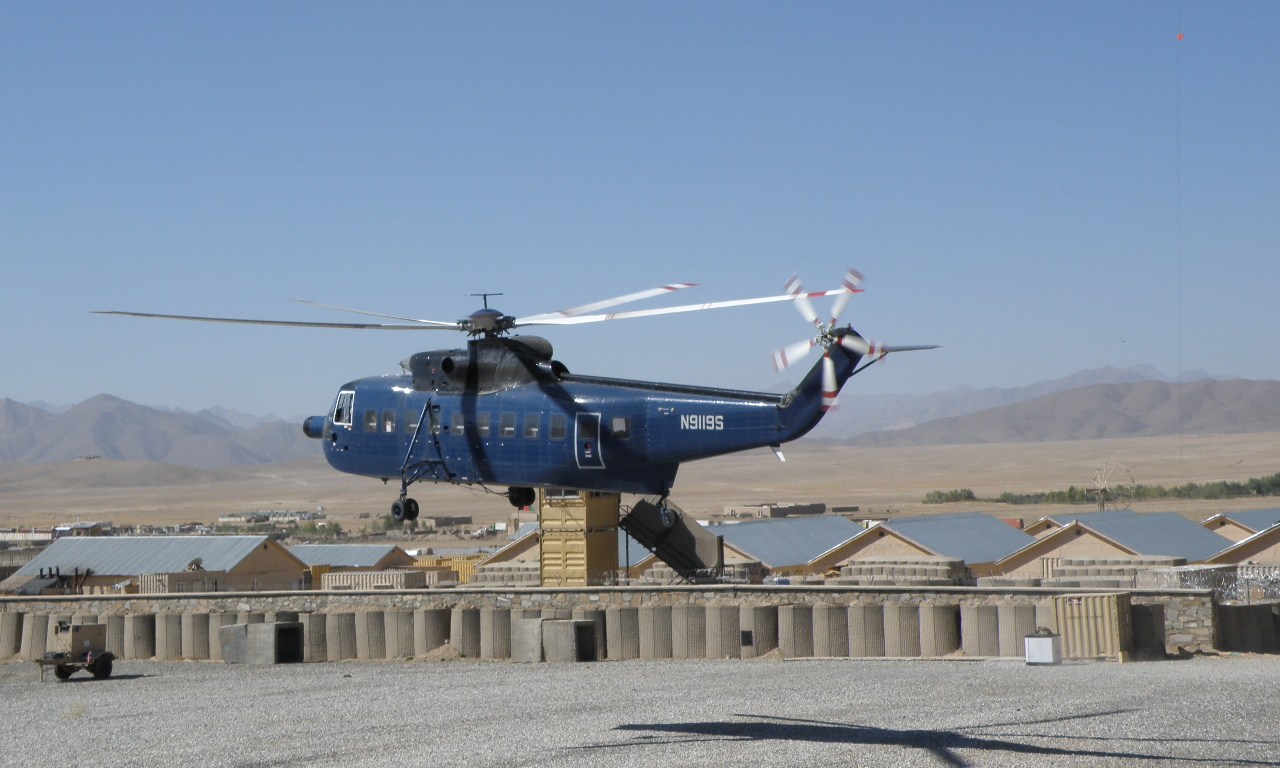
I don’t know the statistics, but in this day and age, it’s far more uncommon for a soldier to not be mobilized for a deployment of some kind than otherwise. All deployments aren’t created equally, of course, and what you need for a trip to Kuwait or Syria is going to be slightly different than what you need for Poland, Germany, Korea, etc.. Units will generally have a comprehensive packing list, and it makes sense to follow this closely, but you’ll inevitably find shortcomings with it, or will find items and sundry that simply aren’t included, or that could be better served with substituted products. In the following overview, I’ll attempt to paint with a fairly wide brush and cover many of the major items you’ll want and need on a combat or non-combat rotation.
Personal Gear:
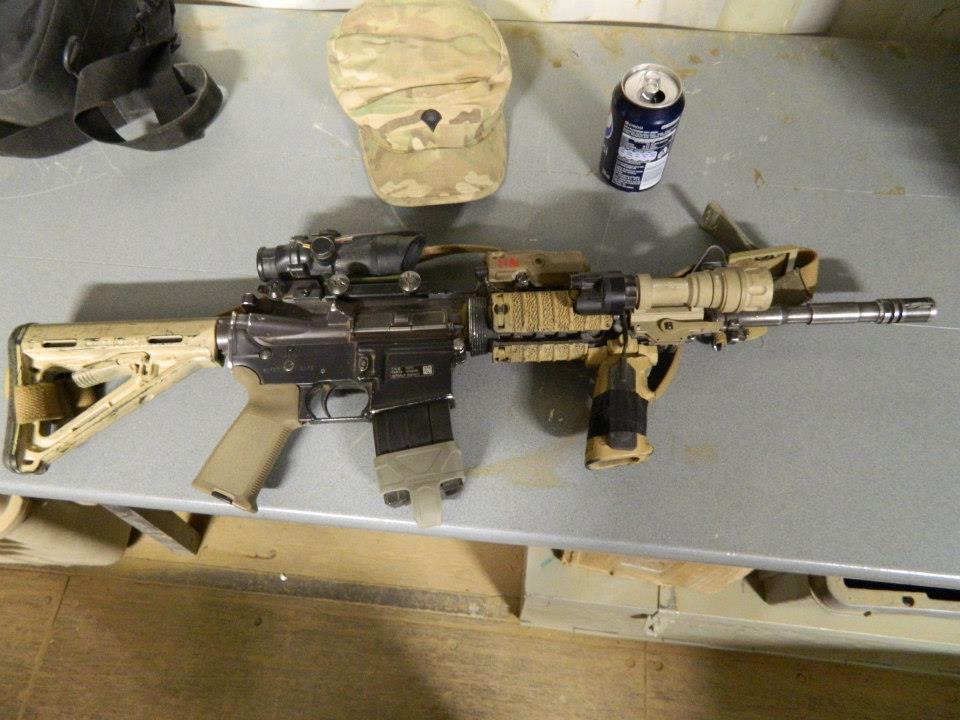
I was a big fan of using a padded load-bearing belt with low profile suspenders. This bucks the trend these days, but we had different armor requirements depending on what you were doing, dismounts/CROWS gunners could wear KDH plate carriers, but open turret gunners had to wear IOTVs with all the trimmings.
I was a gunner and was CROWS qualified, so I would hot swap between trucks depending on who was going out. It was a massive pain to move things from one vest to another just for one mission, so by putting most of my sustainment, some mags, NODs, and IFAK on a padded belt, it was much easier to swap around. I basically kept an empty Camelbak sleeve on both carriers plus a triple mag pouch on each one. All I had to do was move a few mags over, move the bladder, and move the plates. Everything else was on the belt so it was a huge quality of life improvement. Additionally, if you ever find yourself doing work that doesn’t require armor, (key leader engagements, range control, etc…), having a belt rig with suspenders that carries 70% of your full combat load can be a huge advantage, giving you a comfortable and breathable way to carry your trash.
Aftermarket boots and socks was another critical item. You’re on your feet all day, so you have to take care of them. Smart Wool or Darn Tuff are my go-to sock brands, buy double what you think you’ll need, as these will inevitably wear out. I liked Nike SFBs as an all-around summer boot, and just had heavier weight socks for winter. The Nikes wore out quick, but the comfort and weight was worth it to me, plus they dried quickly when wet.
Quality moisture wicking undershirts are another good investment, just be careful with these as very few of them are FR, so if you expect to get blown up you may have some flash burns. In lieu of that, a quality combat shirt is great. These days the issued quarter zip OCP combat shirt is actually really solid, far more comfortable than the old turtlenecked ones
For your plate carrier, (if this is even an option), the current trend is super lightweight minimalist rigs like the Crye JPC and others. These are fine, but I preferred more overbuilt/durable padded options like the old LBT 6094s and their AWS clones. You’re going be wearing armor for a long time on mission. The longest I wore a carrier was 72 hours continuously after a mission went sideways. I would have died in a minimalist rig, as it would have been more miserable than it had to be. If you’re stuck with issued carriers, maybe consider picking up some HSGI or similar gel padded shoulder pads to help alleviate the weight during long movements or missions.
I’m not sure what watch cap is being issued now, but if the black ones are still allowed, I preferred aftermarket heavy wool caps to the issued Polartecs. They won’t fit under a helmet but they’re warmer and cover your ears. There are some better low profile options on the market that work with helmets.
For gloves, don’t worry about overspending on expensive shit, just grab several pairs of Mechanix and have some spares. You’ll inevitably tear these up doing random shit.
Sustainment/Sundry:
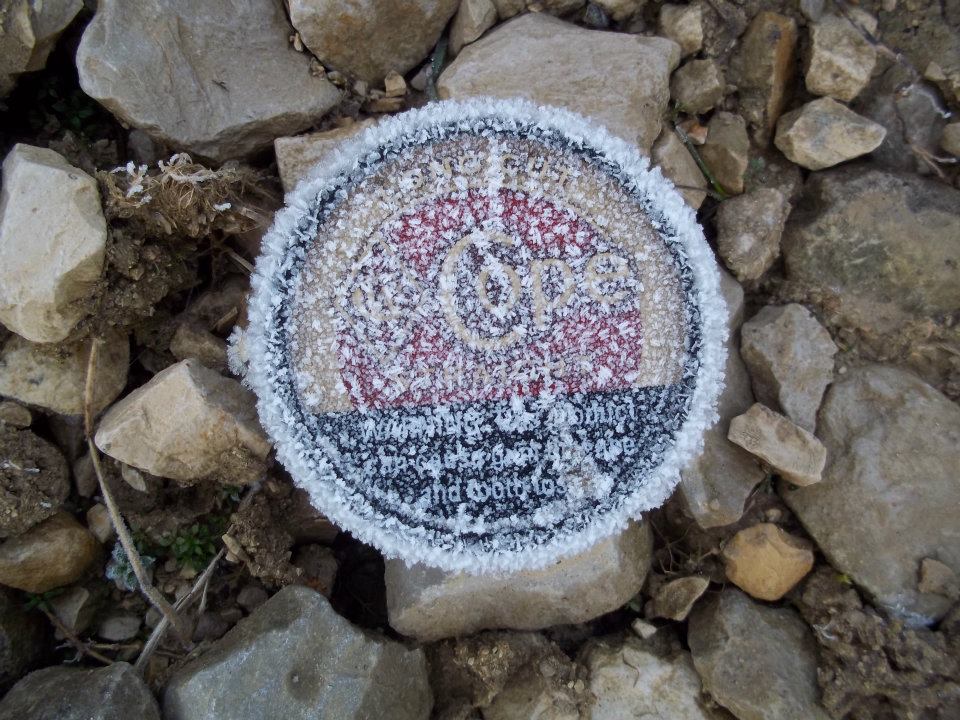
Depending on where you’re going and what/if any contractor support you have, your squad may want to invest in some basic hand tools. Picks/mattocks, youth-sized shovels with full sized blades, etc… this beats the hell out of digging with an e-tool to improve positions or fill HESCOs.
If you smoke or dip, buy double what you expect you’ll need, as you never know what the situation will be on the ground. If you don’t smoke or dip, do the same thing and profit off those who do.If you’re into Cigars, sign yourself up for Cigars for Warriors. They’ll likely send you a care package full of stogies for free.
If you’re going be in the boonies, it wouldn’t be a terrible idea to bring maybe $200-$500 worth of cash in small denominations, as that will let you shop on the economy in most places without being reliant on payroll withdrawals or Eagle Cash Cards. Additionally, having cash lets you buy stuff easily from the outgoing unit. If they did all the work to ship in a television, internet router, or refrigerator, throw them a $20 for their services and claim it for yourself or your squad. Outgoing units are a great source of gear and equipment as well, as they may be separating from service after they get home, and no longer have a need for their stuff.
If you have any skills like cutting hair, bring yourself a barber setup. Basic clippers, combs, an apron, brush, etc… you can get rich cutting high and tights and fades when there are no other options.
If you’re a reader, bring a Kindle or similar and load it up with free books. You’ll inevitably get bored on TOC guard and find yourself halfway through War and Peace or The Canterbury Tales.
Bring as many durable wet wipes as you can carry, as you may end up in an area with no running water for 9 months. This sucks, but having some wipes will let you clean up the most important areas while you try to get systems online. Portably solar showers can be a good squad or platoon investment as well. There are a ton of different options for these at your local Cabelas/Bass Pro. Additionally, small packets of detergent or soap along with a heavy duty trash bag in a MRE box can get your stinking clothes clean enough to hang dry. We did not have running water at all until about the last 2 months of deployment, so this wasn’t a priority for me, but people do seem to recommend buying Crocs to use as shower shoes in lieu of the standard black flip flops. I could see these being advantageous given how muddy and rough many outposts can be.
A quality adjustable 2 point sling for your rifle is a must, and you should already have one. If you’re on a gun team or a saw gunner get a Vickers MG sling, if you may have a 40mm pick up a Tac Tailor 40mm belt. All this will come in useful if you change positions halfway through the tour, keeps you from having to wait on mail for critical items.
A powerful handheld flashlight along with a task light is critical. Being able to illuminate sections of our COP/FOB at night when you’re walking around without NODs can be lifesaving, (like when doing body sweeps after an IDF attack). Bring extra headlamps with red lens as well, these don’t have to be expensive, although I was a fan of the Petzl line. Pack your own spare batteries for everything, DO NOT rely on supply. Supply should be a pleasant surprise as opposed to a planned-for part of your logistics. This keeps you safe, happy, warm, and fed when they inevitably fail.
If you like caffeine, account for that. You can fill a gallon bag up with 3-in-1 coffee mixes or other instant drink packs. Jet boils or similar stoves are good if you can get the fuel. A hot cup of coffee when conditions are bad it a huge morale booster.
Bring an additional warm sleeping layer and a quality pillow if you’re going somewhere with a winter. In Afghanistan our generators would often die in the middle of the night and not get refueled until morning. I got tired of freezing and bought a Kifaru Doobie, it was a fantastic investment and I still use it 12 years later. Aftermarket sleep gear, (in appropriate colors), is always a good investment.
Memories:
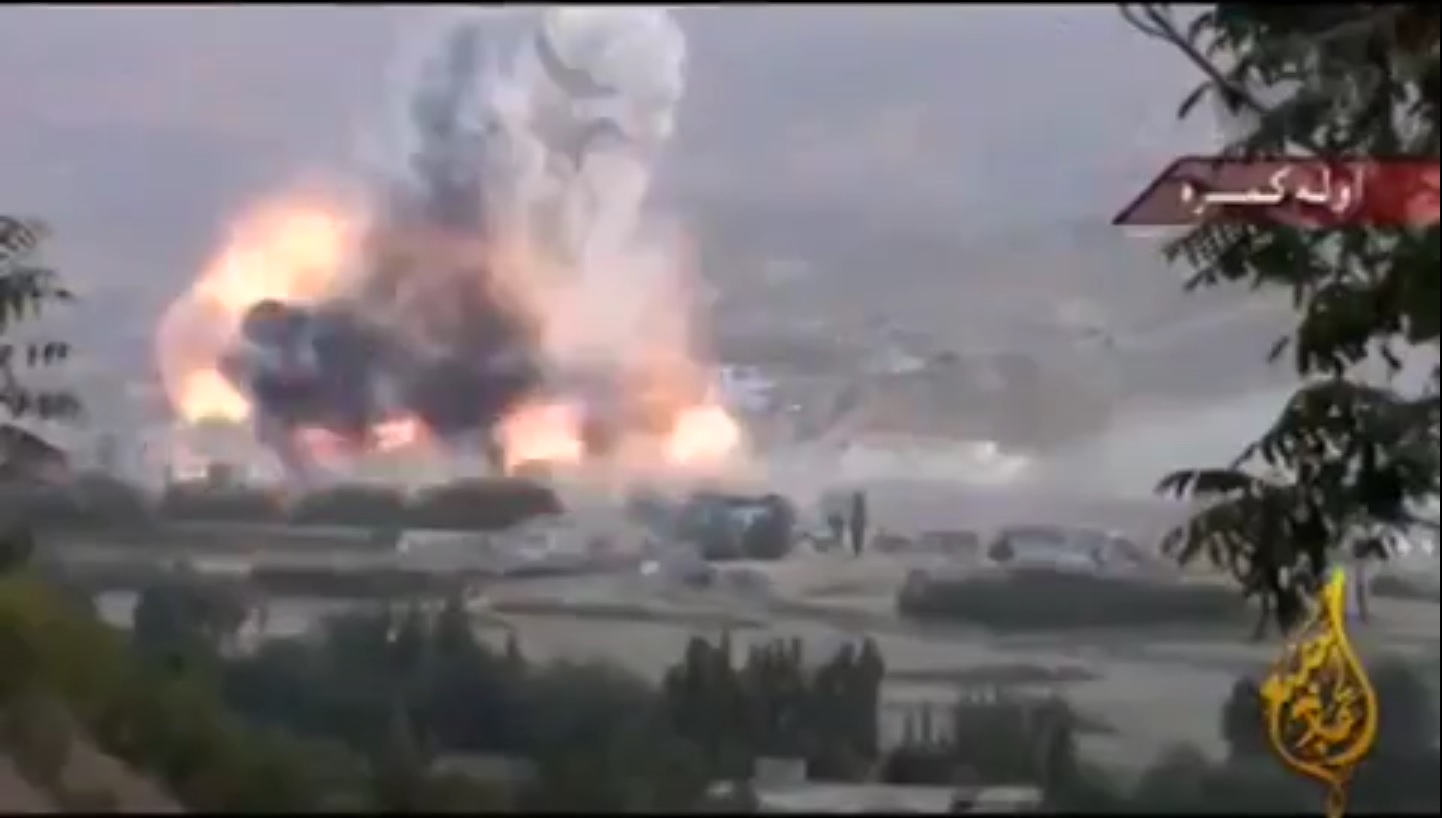
There’s probably more stuff, but the final thing is to bring a camera that isn’t your phone. For the love of God do not use a smart phone in a deployed environment, bag that shit and forget about it until you come home. Using a phone in a deployed environment is a surefire way to get your friends killed via triangulation, tracking, and both intentional/unintentional data and location leaks. If you need music, use an iPod. If you need communication or games, use a laptop.
A digital point and shoot camera along with a helmet camera, (if command allows), and a base plate camera mount will be an investment you thank me for a decade from now when you’re wishing you had more pictures and videos. Again, if command allows, take pictures and videos of absolutely everything. Take pictures of your boys, the locals, your bunk, your truck, more pictures of the boys, videos of missions, etc… Don’t forget to get some pictures of yourself too. Those memories last a life time and some guys don’t have anything to show for it.
If you write, keep a journal. You don’t have to get every single thing you do, but chronicle the big events and people’s names. You’ll eventually forget that stuff and you’ll hate yourself for it when one of your platoon/company mates inevitably kills themselves or dies in a car crash and you don’t have any pictures of him or stories to tell because you’ve forgotten the details a few TBIs ago.
This is pretty universal advice regardless if whether you’re going to Poland, Syria, or Atropia. If you have any specific questions feel free to reach out.

-Regards
 Cat Patch Tactics